
White Plains Energy Affordability Campaign
Presented by Sustainable Westchester, the City of White Plains, and the White Plains Sustainability Committee, with support from NYSERDA and the Mid-Hudson Regional Clean Energy Hub
From September 2026 through January 2027, Sustainable Westchester and our White Plains partners are helping residents explore ways to make their homes more energy efficient, affordable, comfortable, and sustainable. Through this campaign, White Plains homeowners and renters can connect with resources and free energy advising to learn about available programs, incentives, and clean energy technologies. Whether you are looking to lower your energy bills, improve comfort, replace an aging heating system, make your home more energy efficient, or explore renewable energy options, there may be a solution that’s right for you.
Have questions or want to learn more? Reach out to us.
Explore Your Energy Options
Make Your Home More Energy Efficient
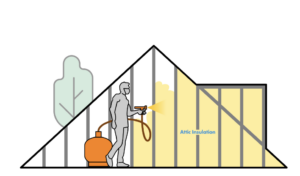
Before making major heating or cooling upgrades, it is important to understand how your home is performing. Home energy assessments can identify opportunities to improve insulation, air sealing, and other aspects of your home’s building envelope. NYSERDA programs such as Comfort Home and EmPower+ can help eligible households access energy efficiency improvements, including insulation, air sealing, and mechanical upgrades.
Learn about Energy Efficiency & Home Energy Assessments.
Explore NYSERDA’s EmPower+ and Comfort Home Programs.
Air Source Heat Pumps
Air source heat pumps provide both heating and cooling by transferring heat between your home and the outdoor air. They can replace or supplement existing heating and cooling systems and are available in both ducted and ductless configurations. A home energy assessment can help determine whether a heat pump is a good fit for your home and what type of system may work best.
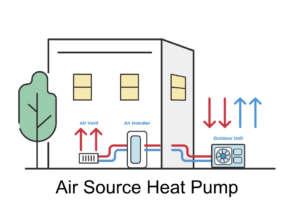
Learn More About Air Source Heat Pumps.
Geothermal / Ground Source Heat Pumps
Ground source heat pumps, also known as geothermal heat pumps, use the relatively stable temperature of the ground to provide heating and cooling. These systems can be used for whole-home heating and cooling and can also provide hot water. While geothermal systems require more extensive installation than air source heat pumps, they can be an option for homeowners looking for a highly efficient long-term heating and cooling solution.
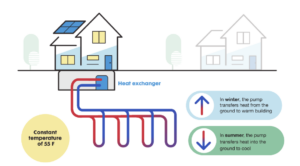
Learn More About Geothermal Heat Pumps.
Heat Pump Water Heaters
Water heating is typically one of the largest energy expenses in a home. Heat pump water heaters use electricity to move heat from the surrounding air into your water rather than generating heat directly.They can provide significant energy savings compared with conventional electric resistance water heaters and can be an especially cost-effective way to improve your home’s efficiency.
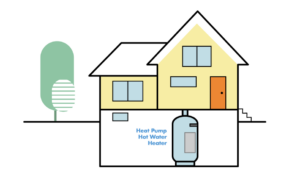
Learn More About Heat Pump Water Heaters.
Rooftop Solar
Interested in generating your own electricity? Sustainable Westchester’s Residential Solarize Program helps homeowners explore whether their homes are good candidates for solar and connects them with pre-qualified installers. The Solarize process includes an initial assessment of your home’s solar potential, followed by competitive proposals from installer partners.
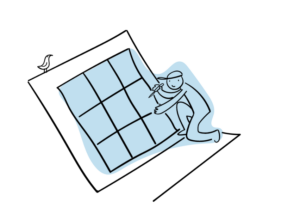
Community Solar
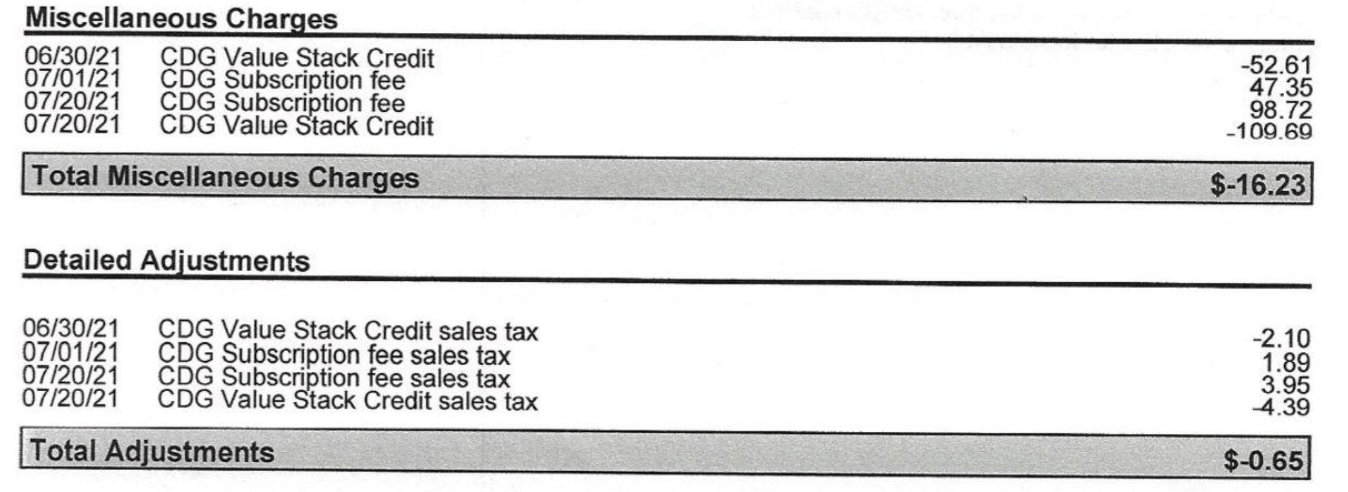
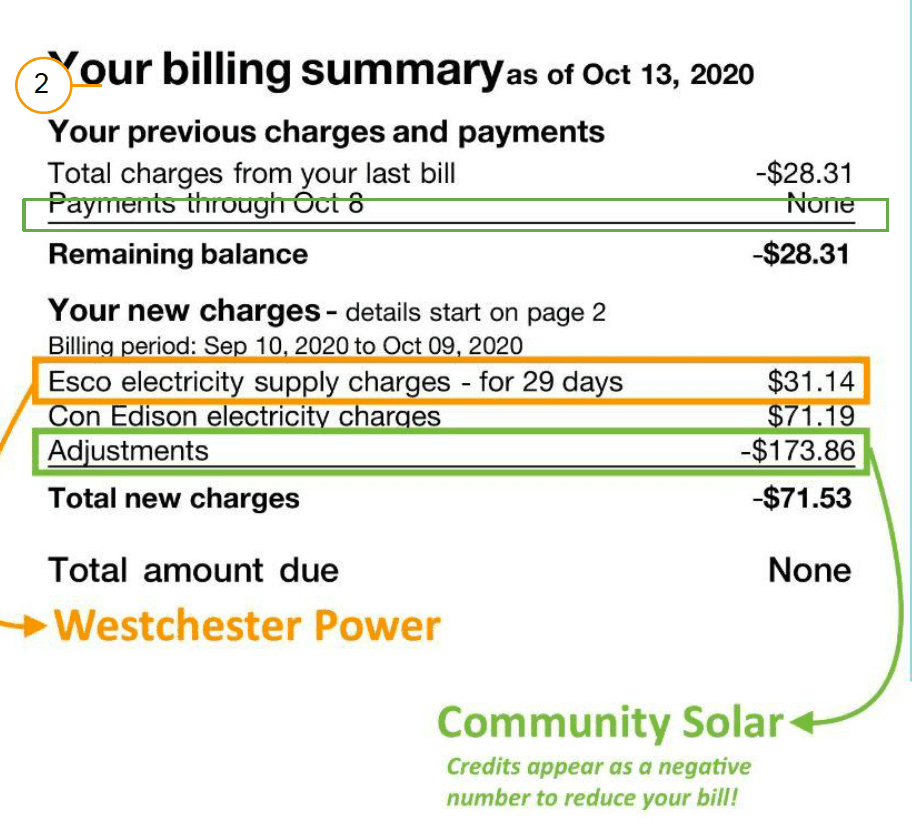
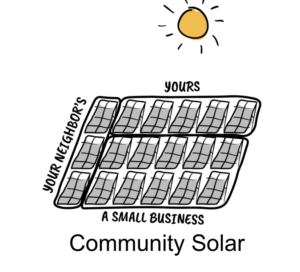
You don’t need a suitable roof–or even to own your home–to benefit from solar. With Community Solar, you subscribe to a local solar project while continuing to receive your electricity from your utility. You receive solar credits on your electricity bill without installing panels on your property. Community Solar is available to homeowners and renters at no cost, and there is no solar installation required at your home.
Learn More About Community Solar.
Demand Response & GridRewards
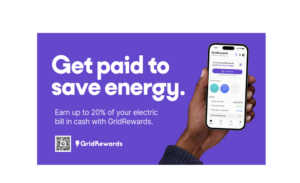
You can also save energy (and earn money!) without making a major home upgrade. GridRewards is a free demand response program that notifies participating customers when electricity demand is high. By taking simple steps to reduce electricity use during these events, participants can earn cash rewards.
Not Sure Where to Start? Talk to an Energy Advisor.
Every home is different. The best place to start may depend on your current heating and cooling system, your home’s insulation and air sealing, your utility, whether you own or rent, and which upgrades you are considering. Sustainable Westchester’s Energy Advisors can help you understand your options and identify programs and resources that may be available to you.
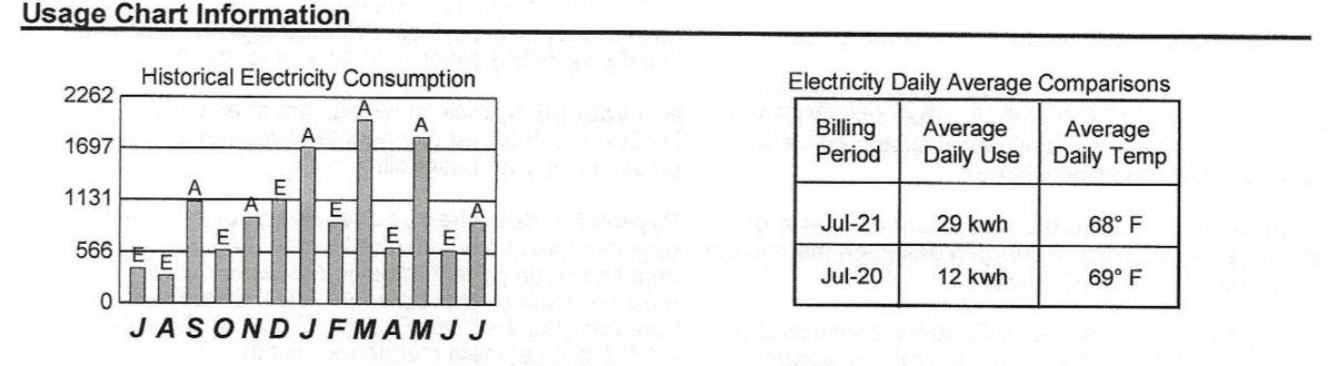
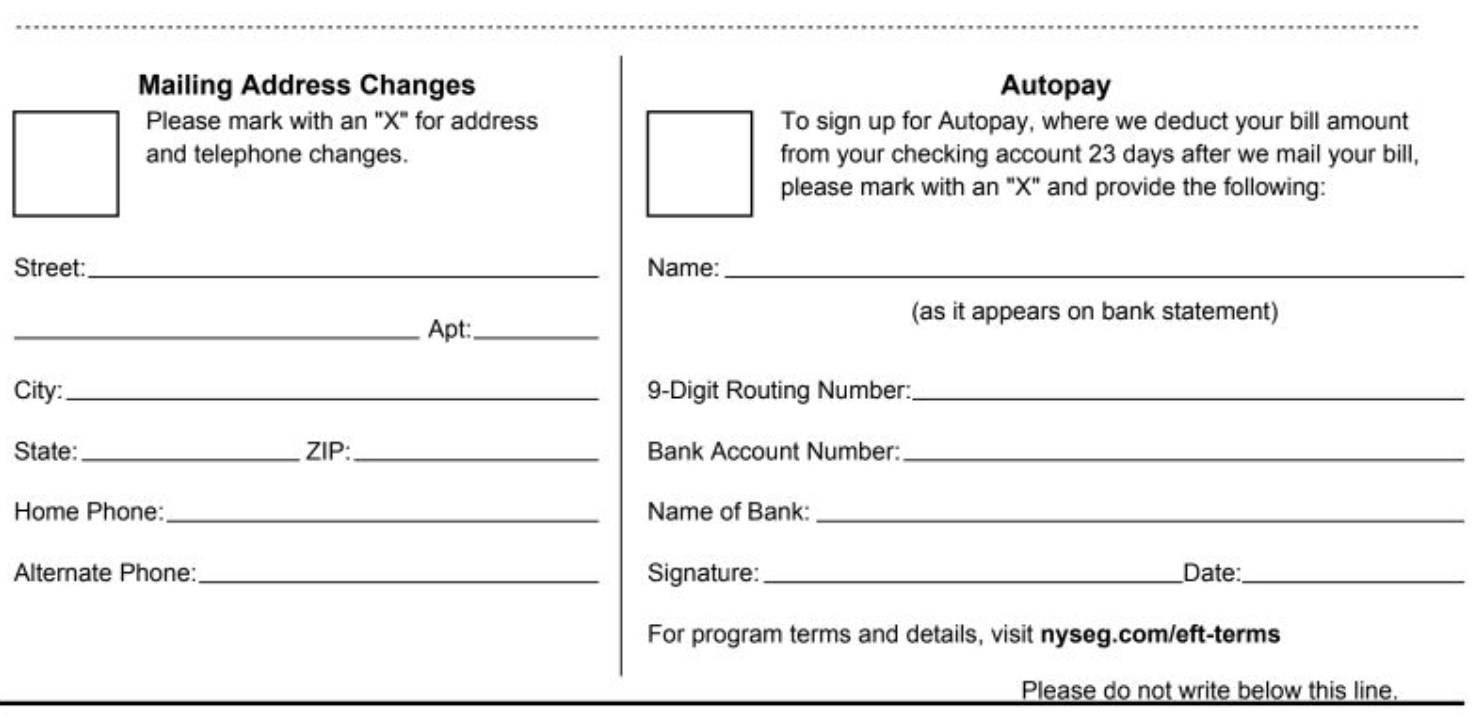
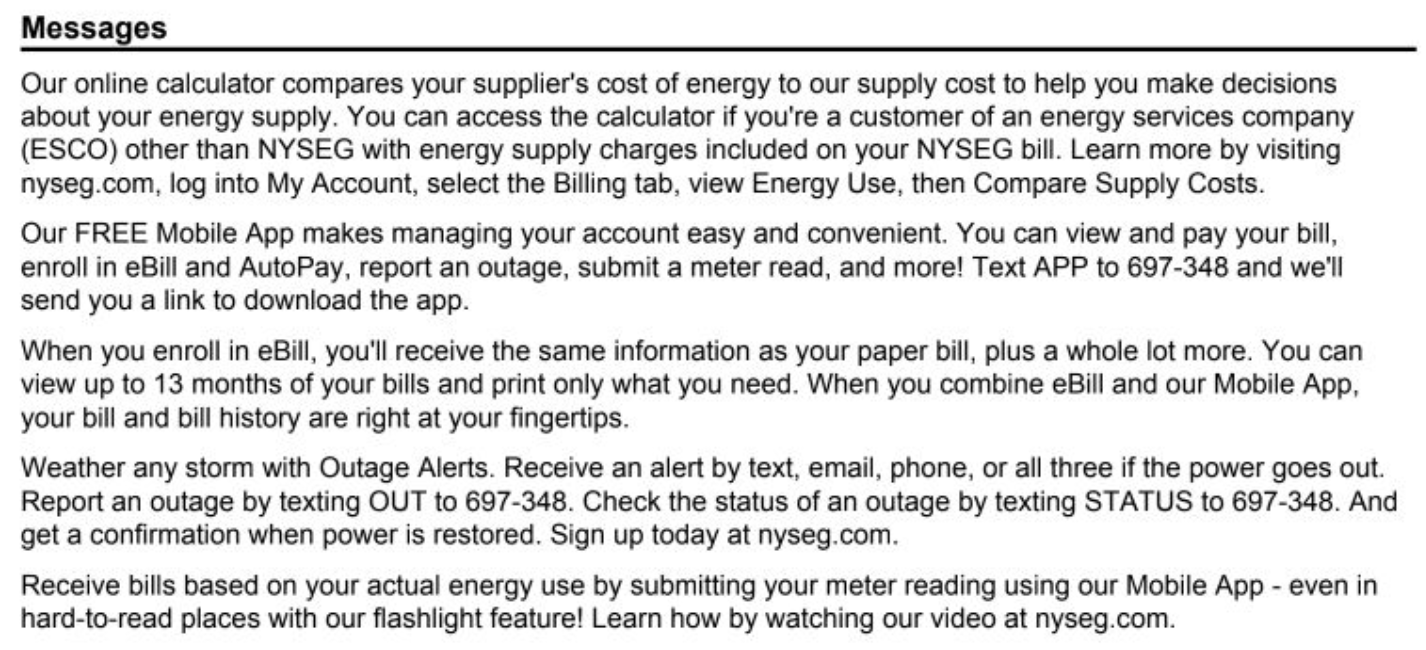
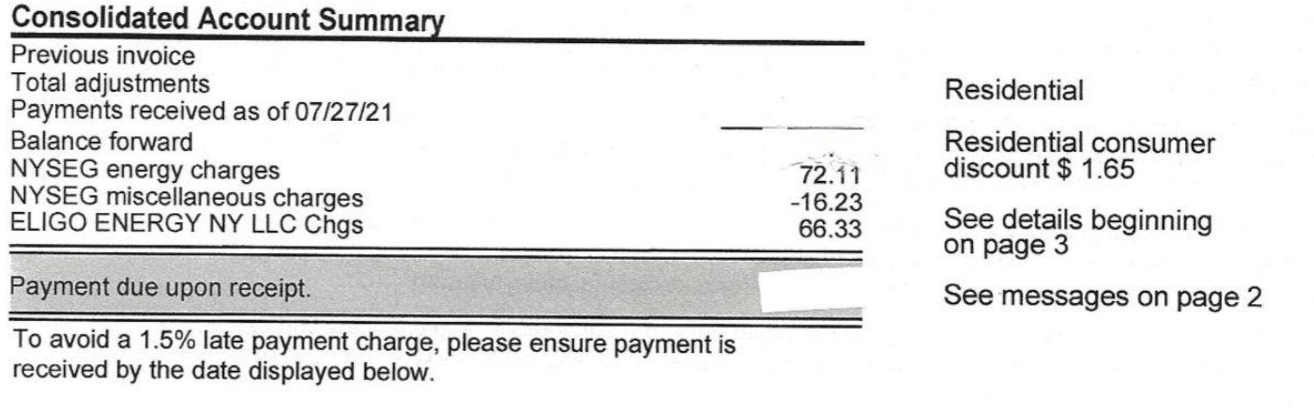
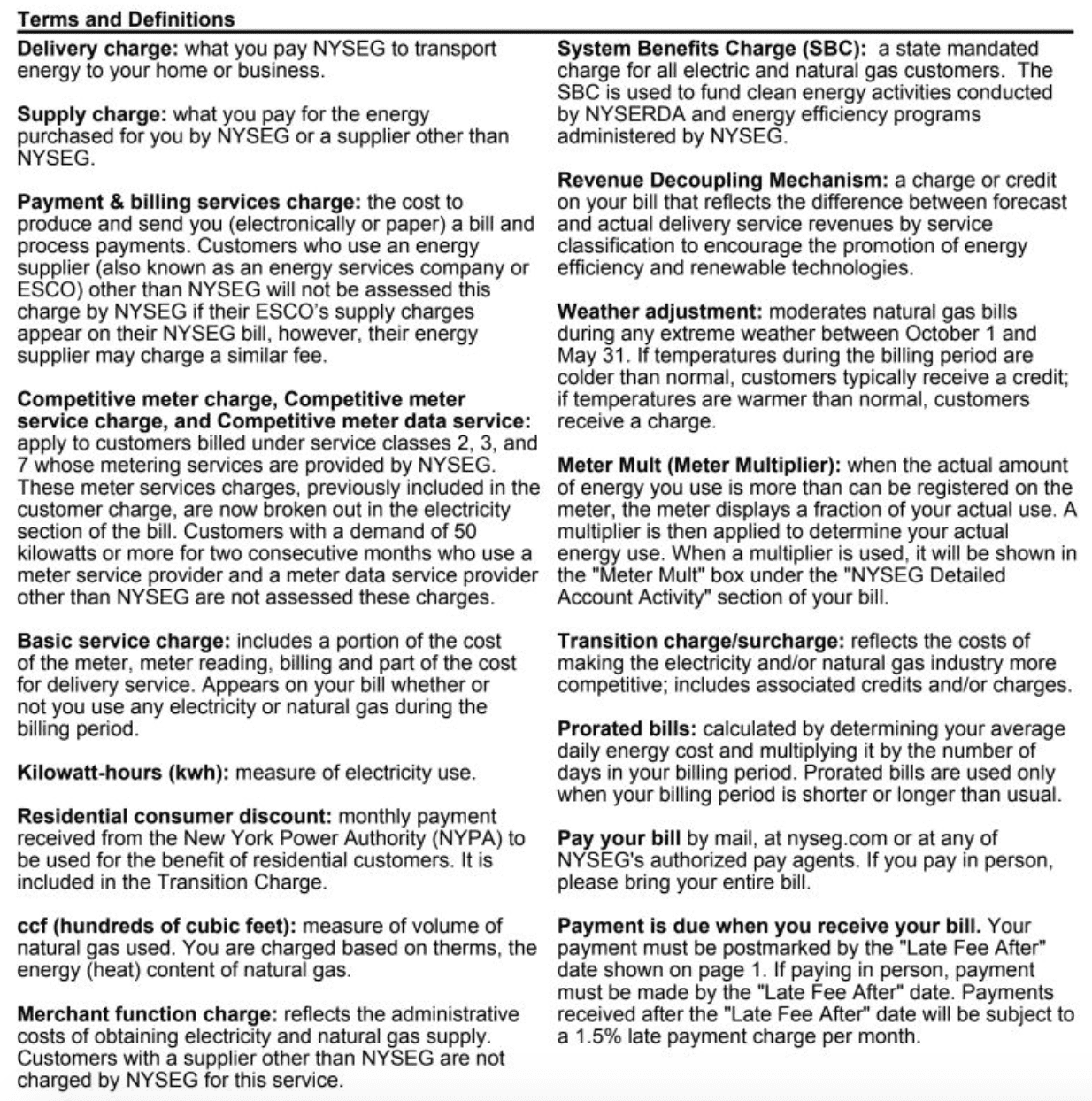
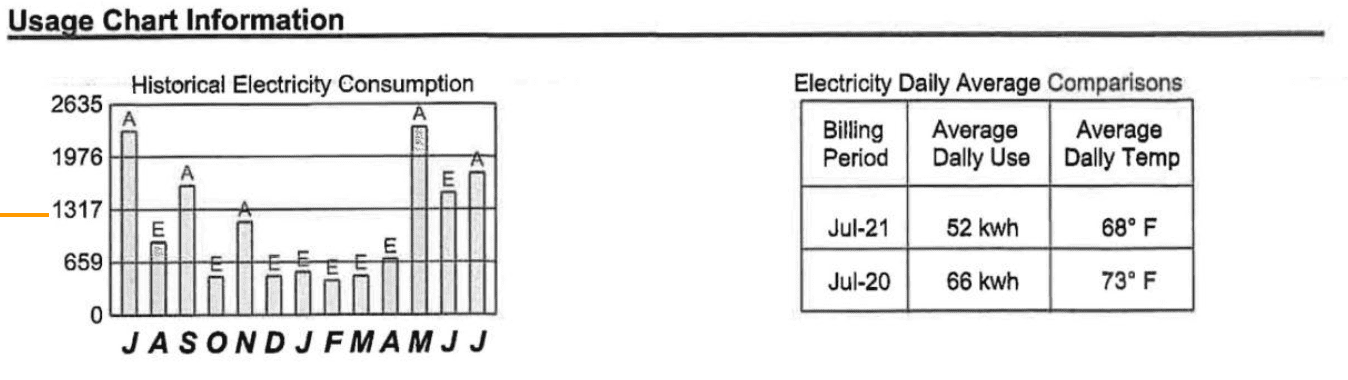
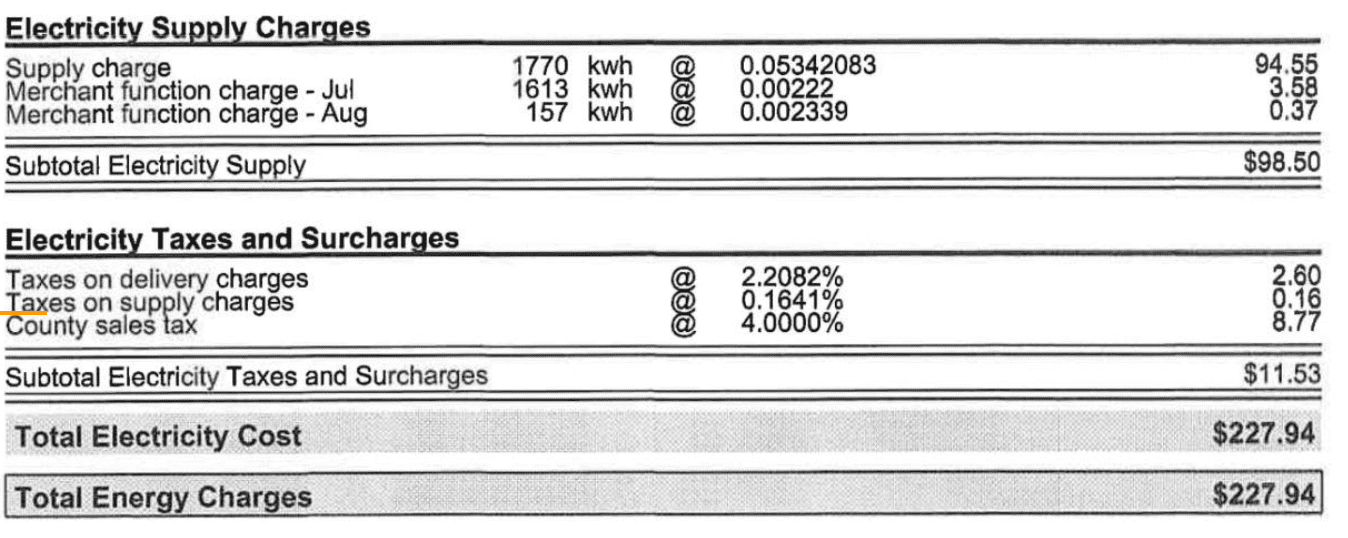
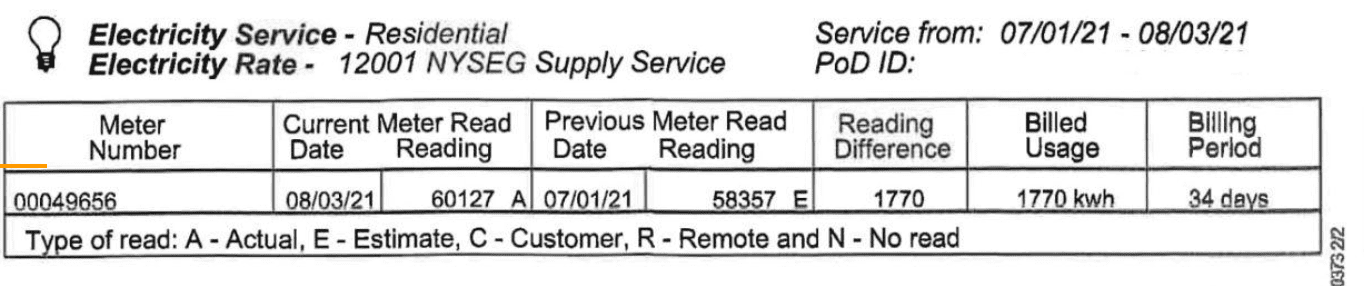
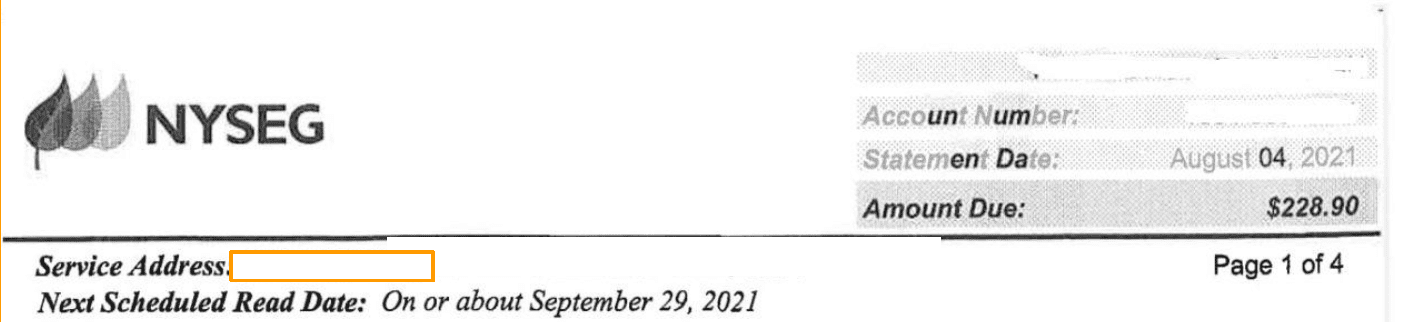
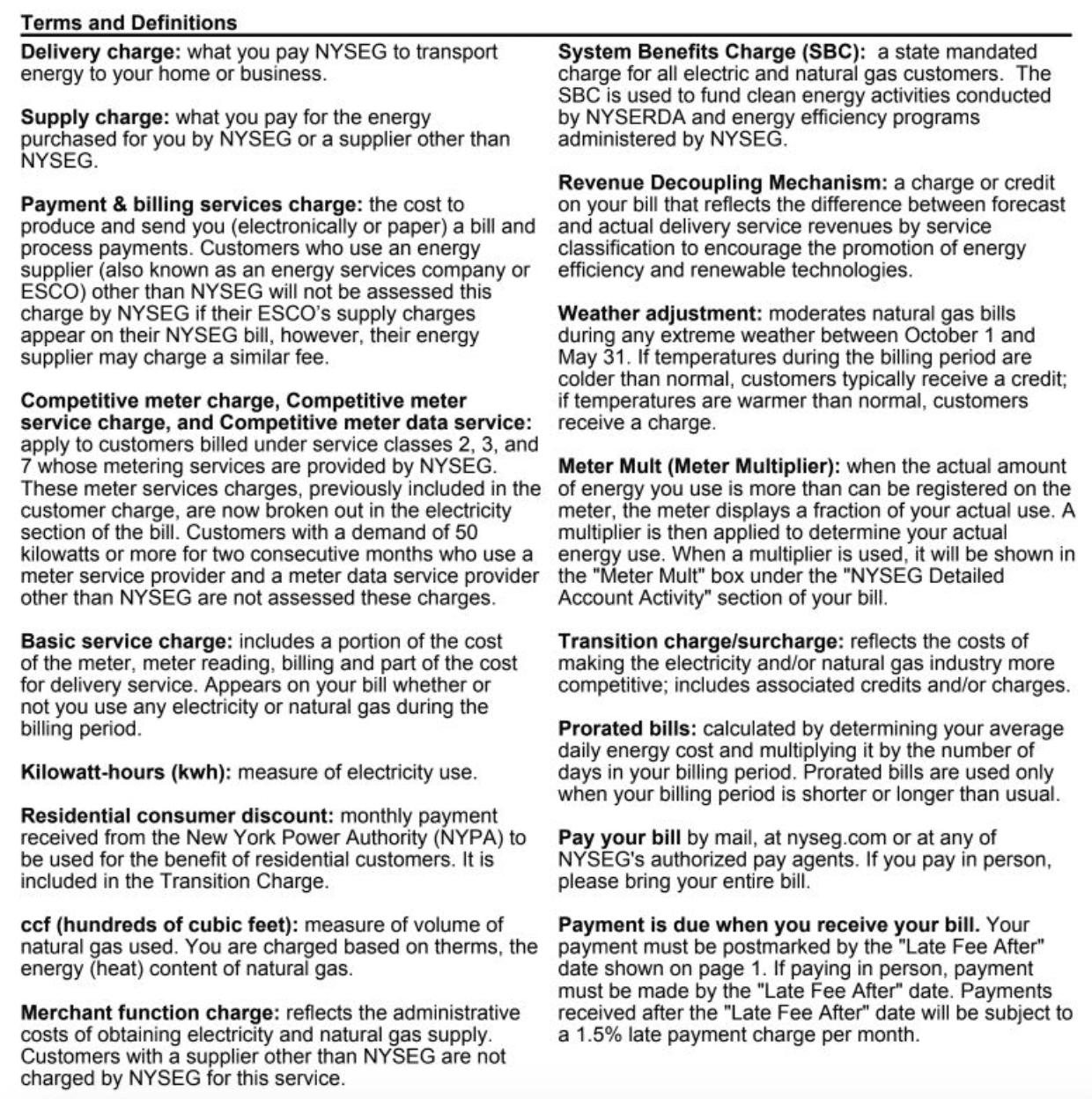
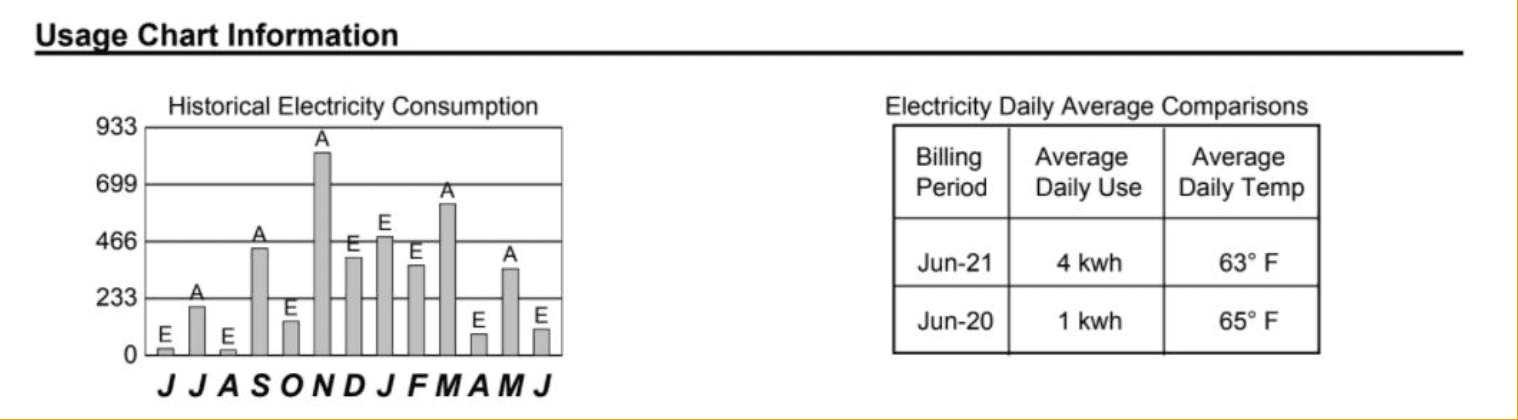
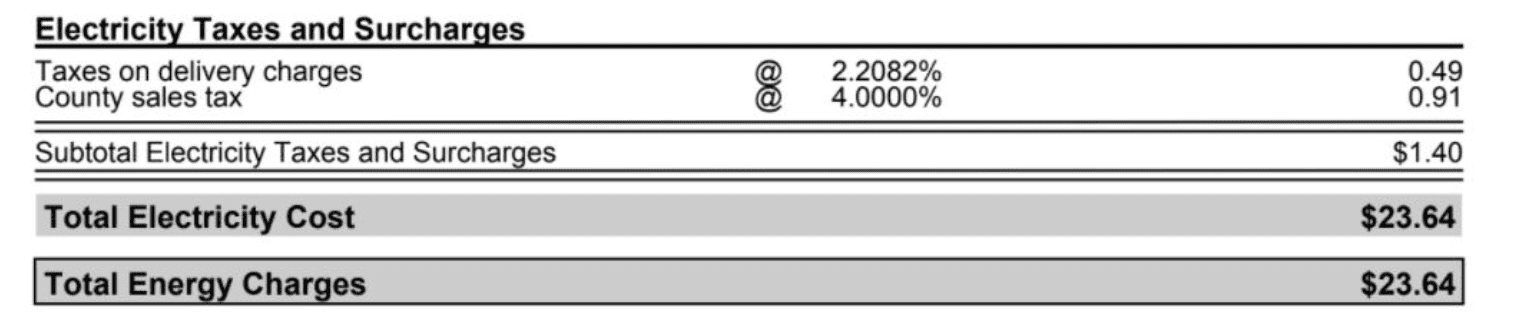
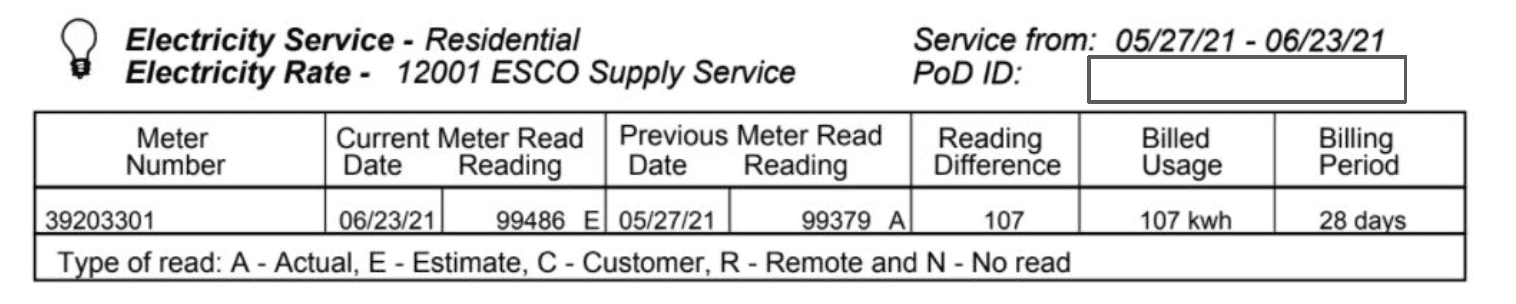
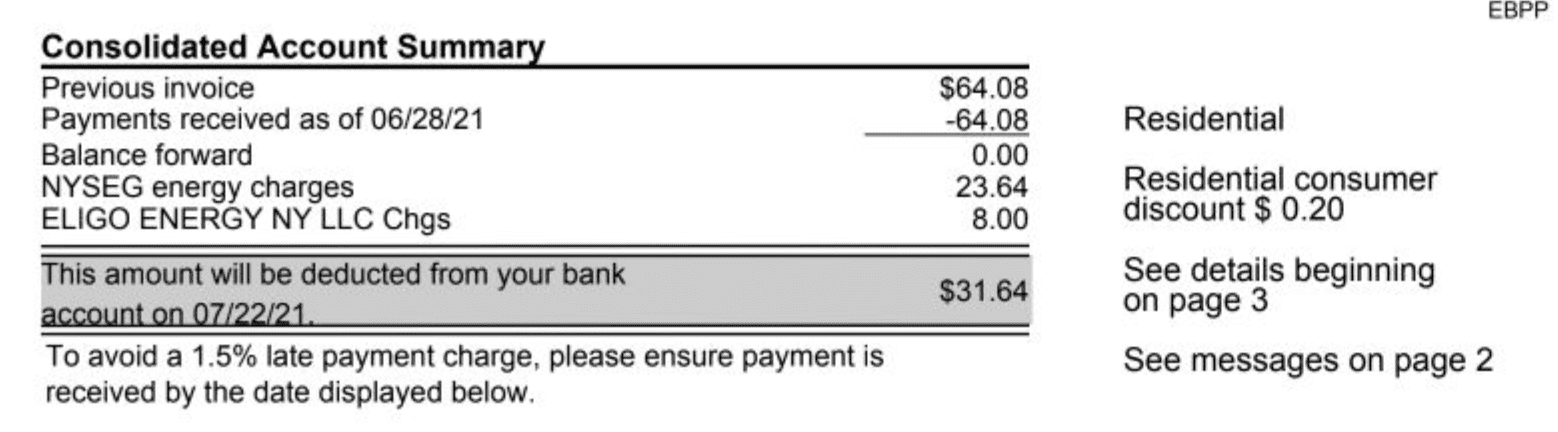
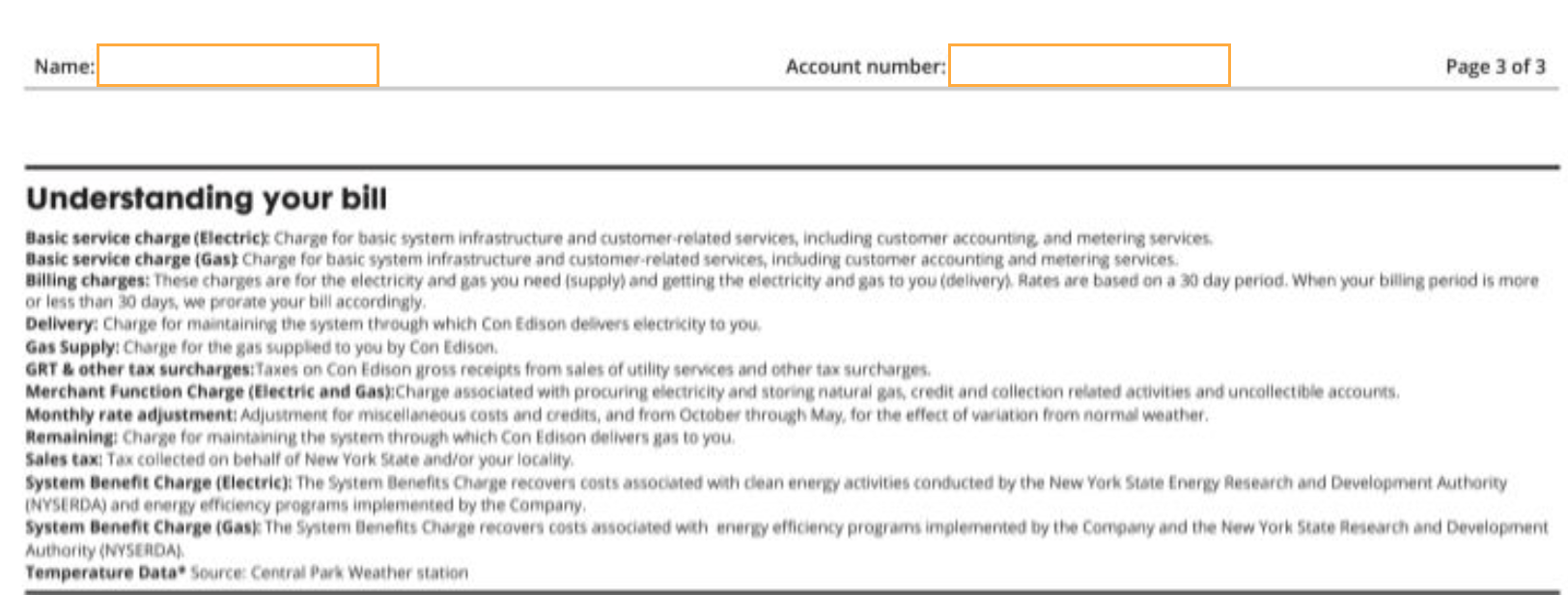
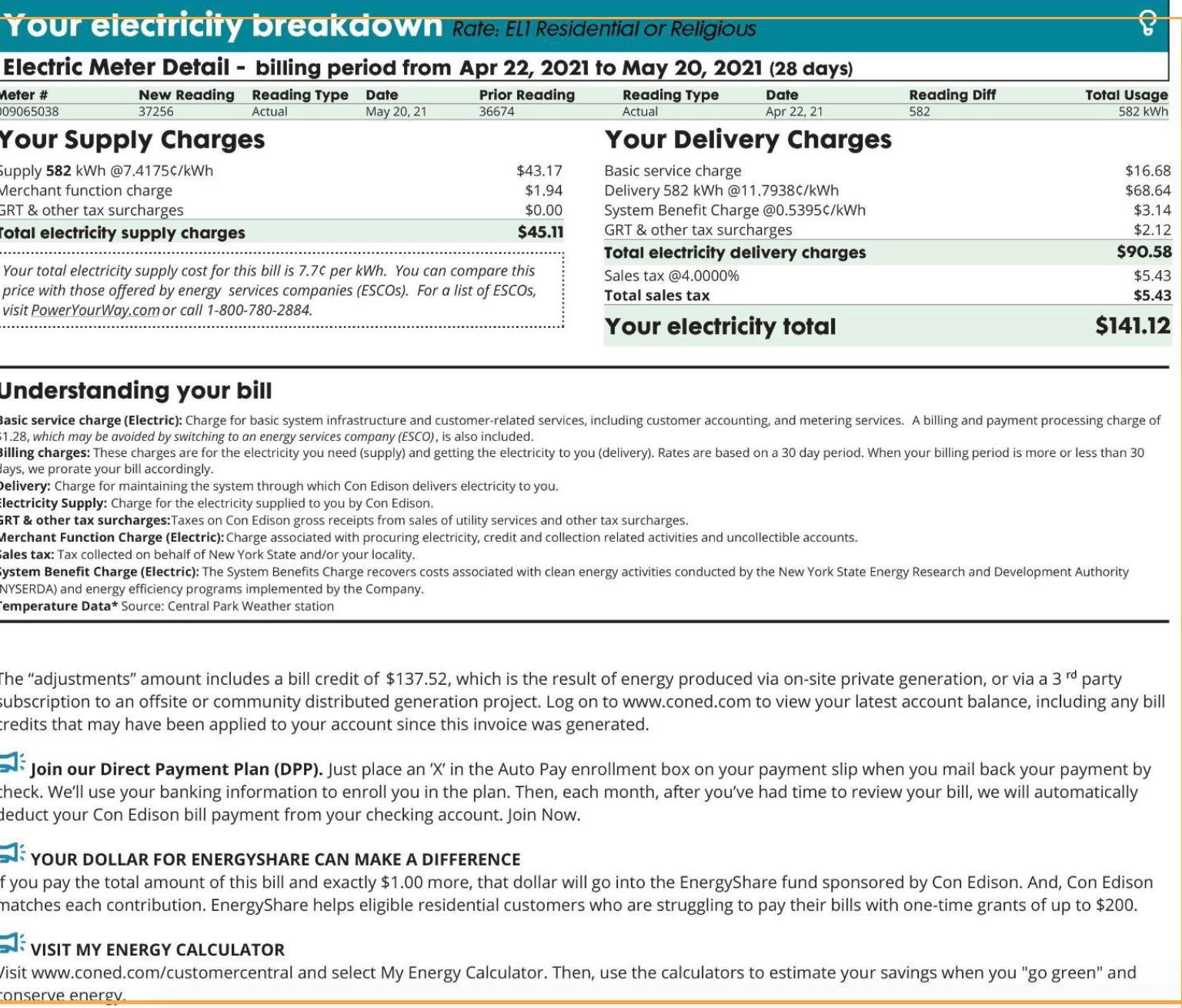
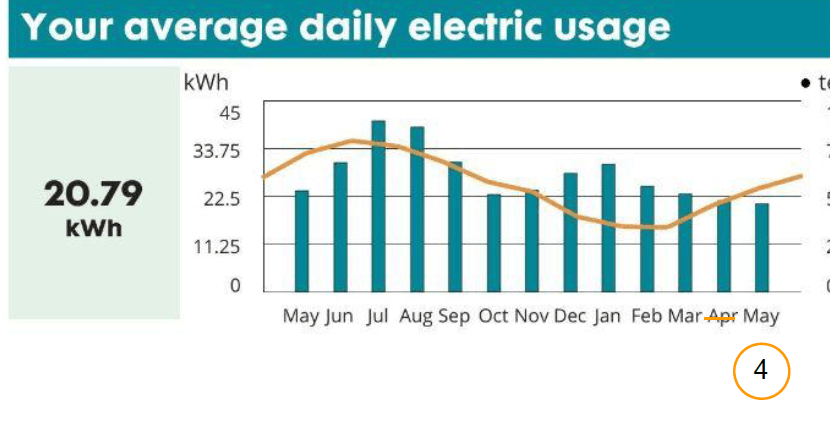
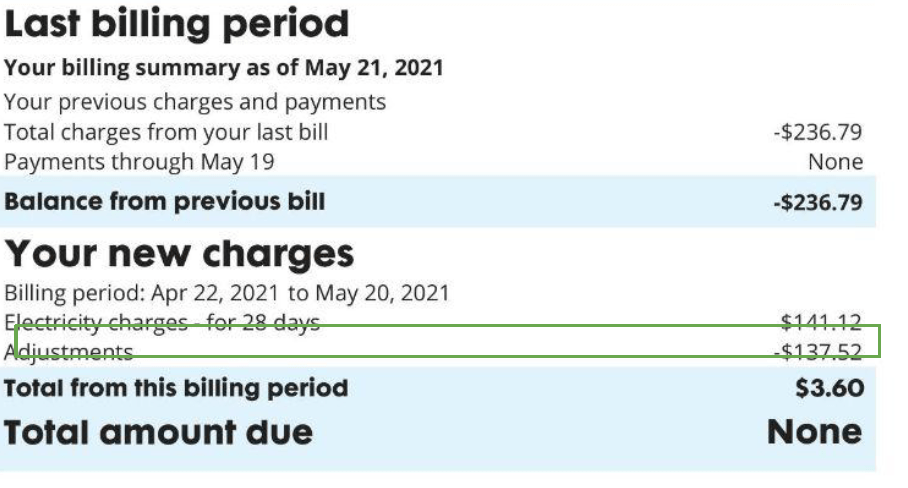
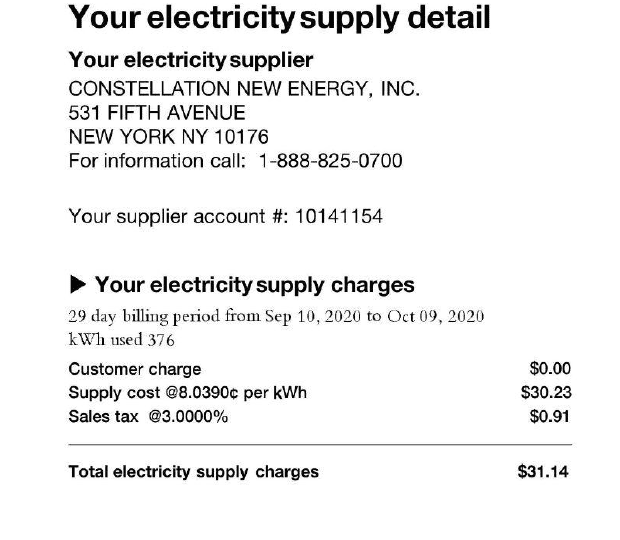
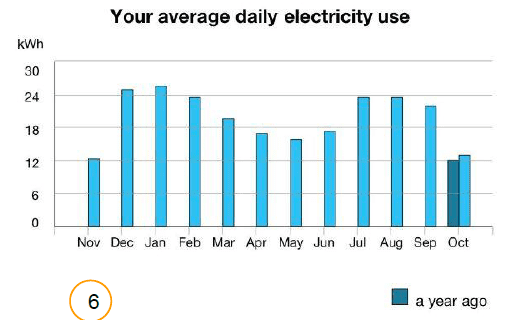
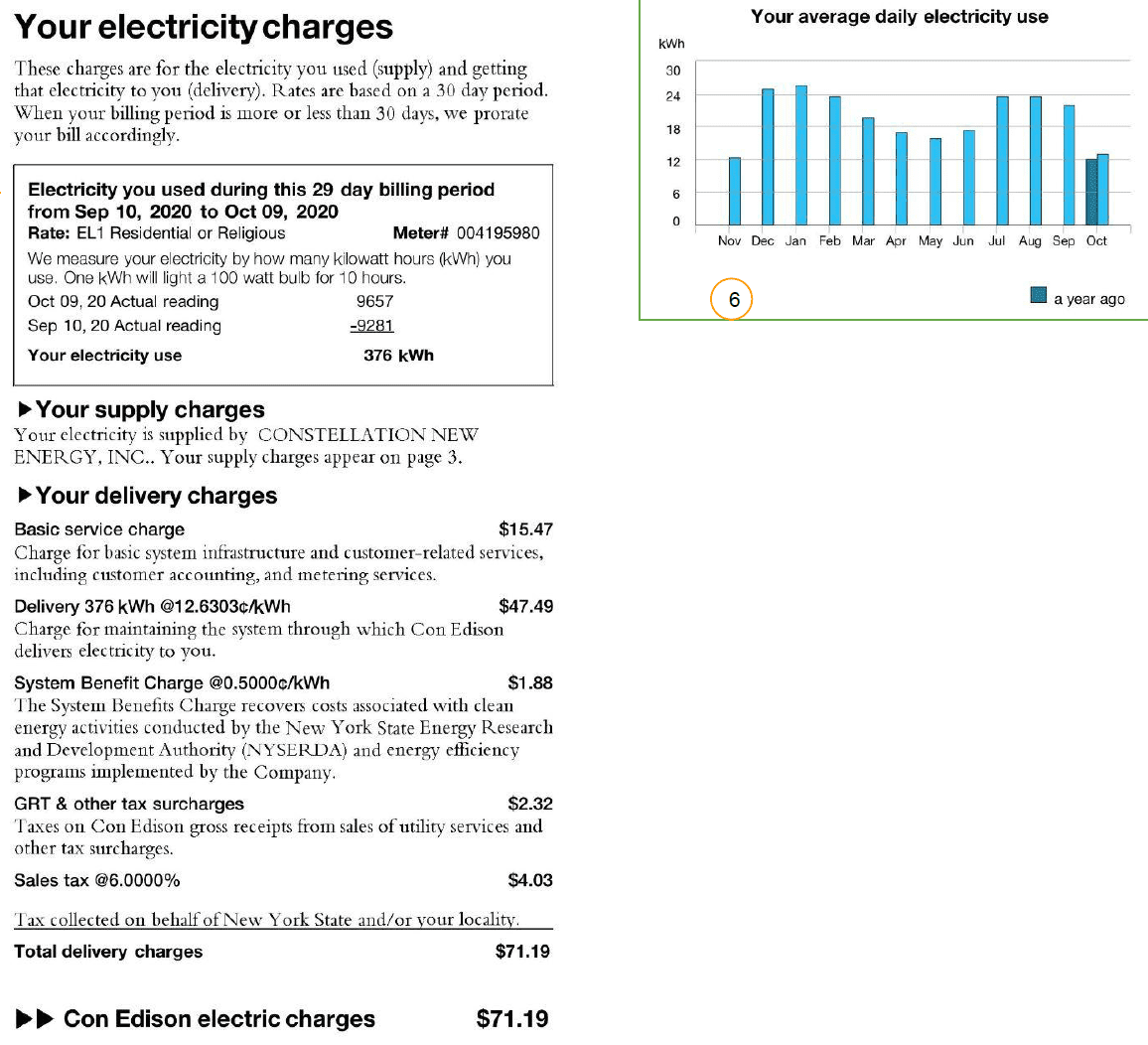
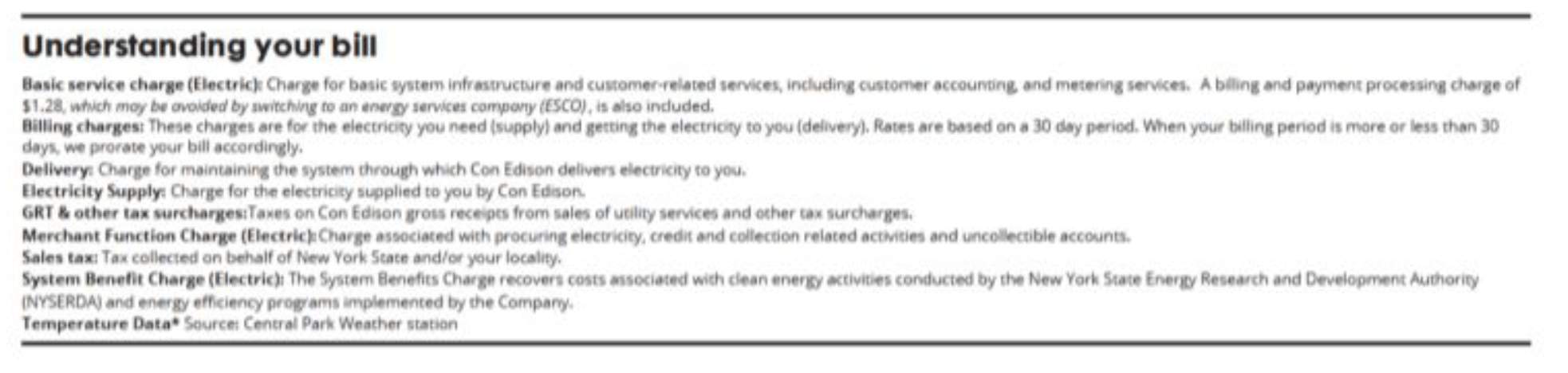
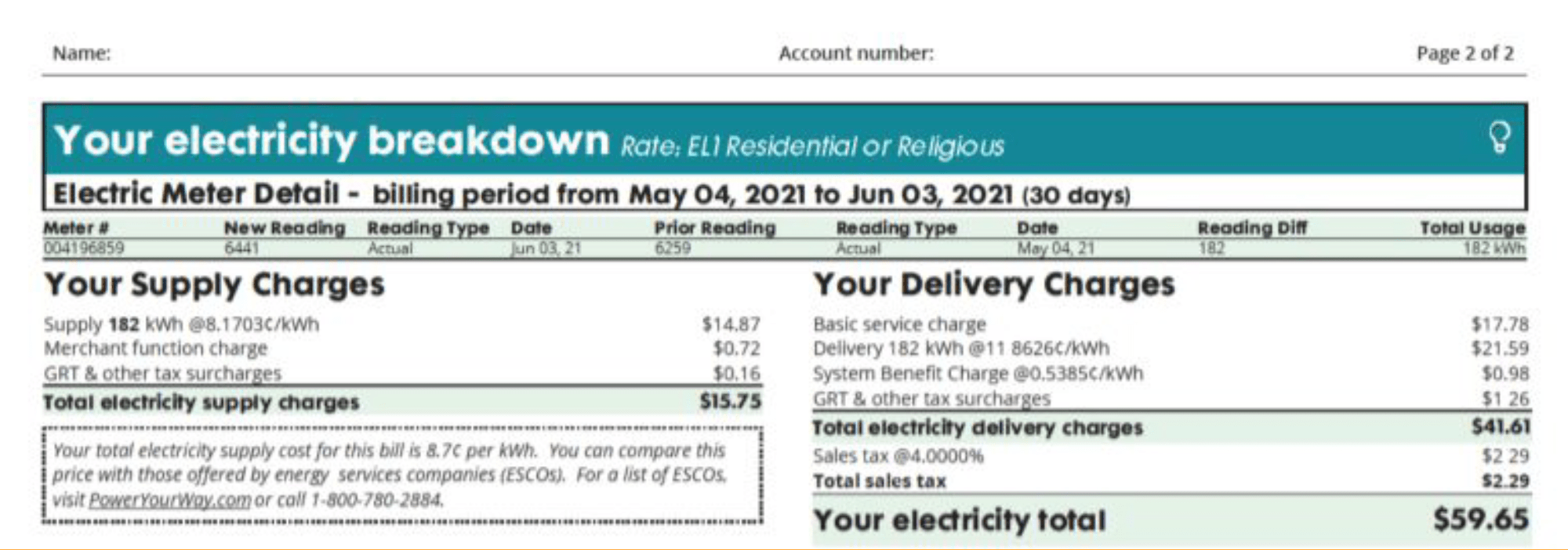
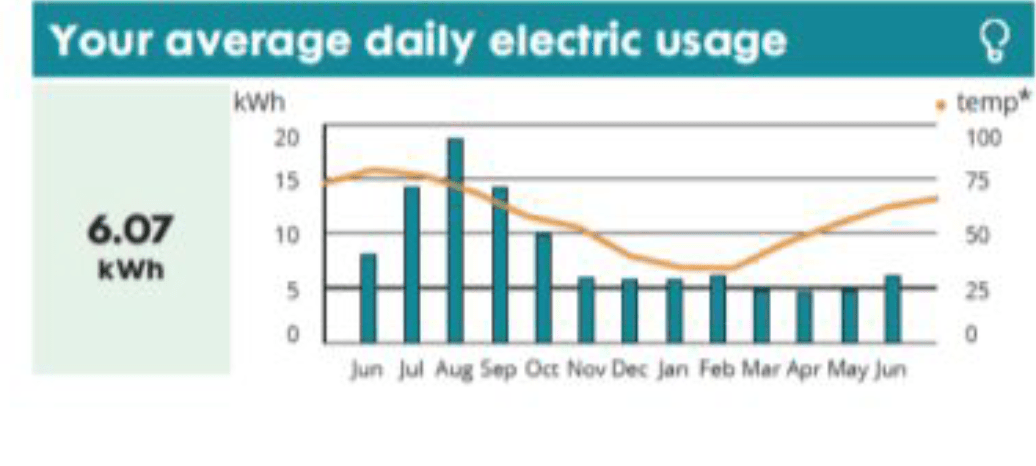
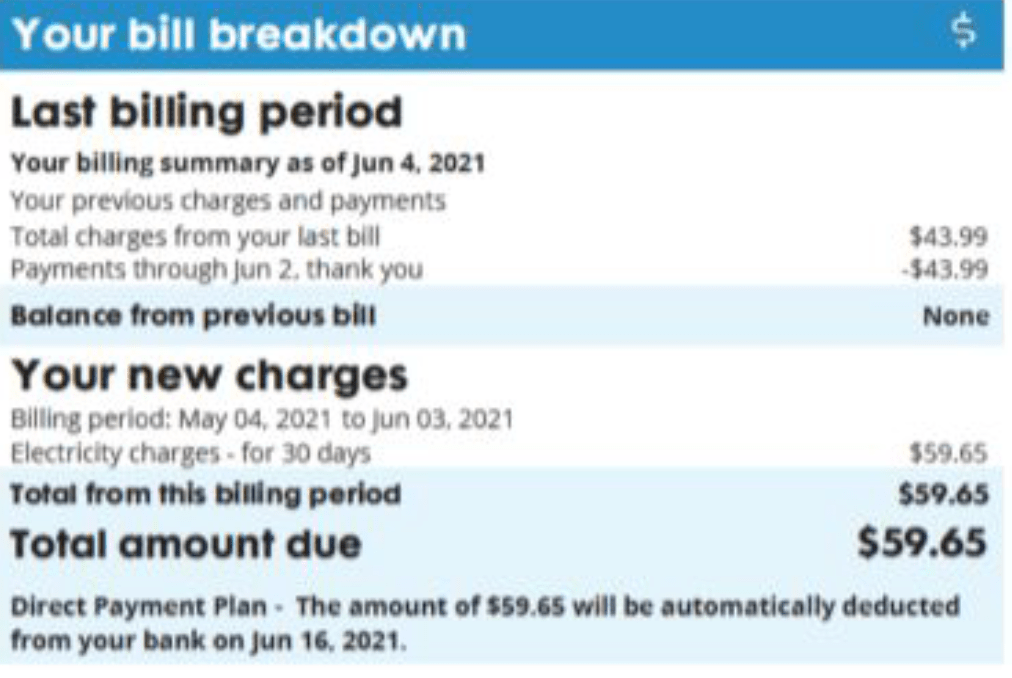
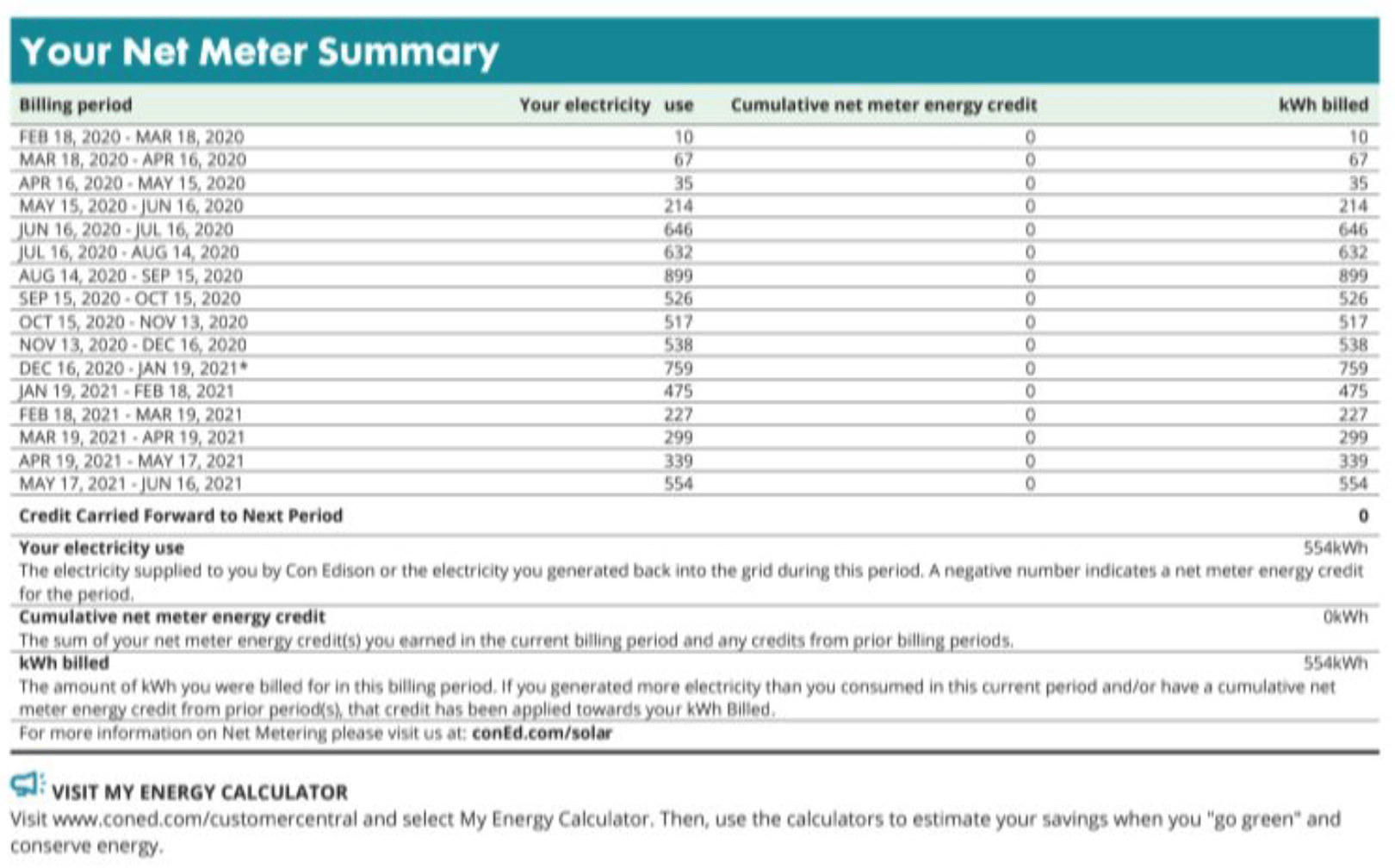
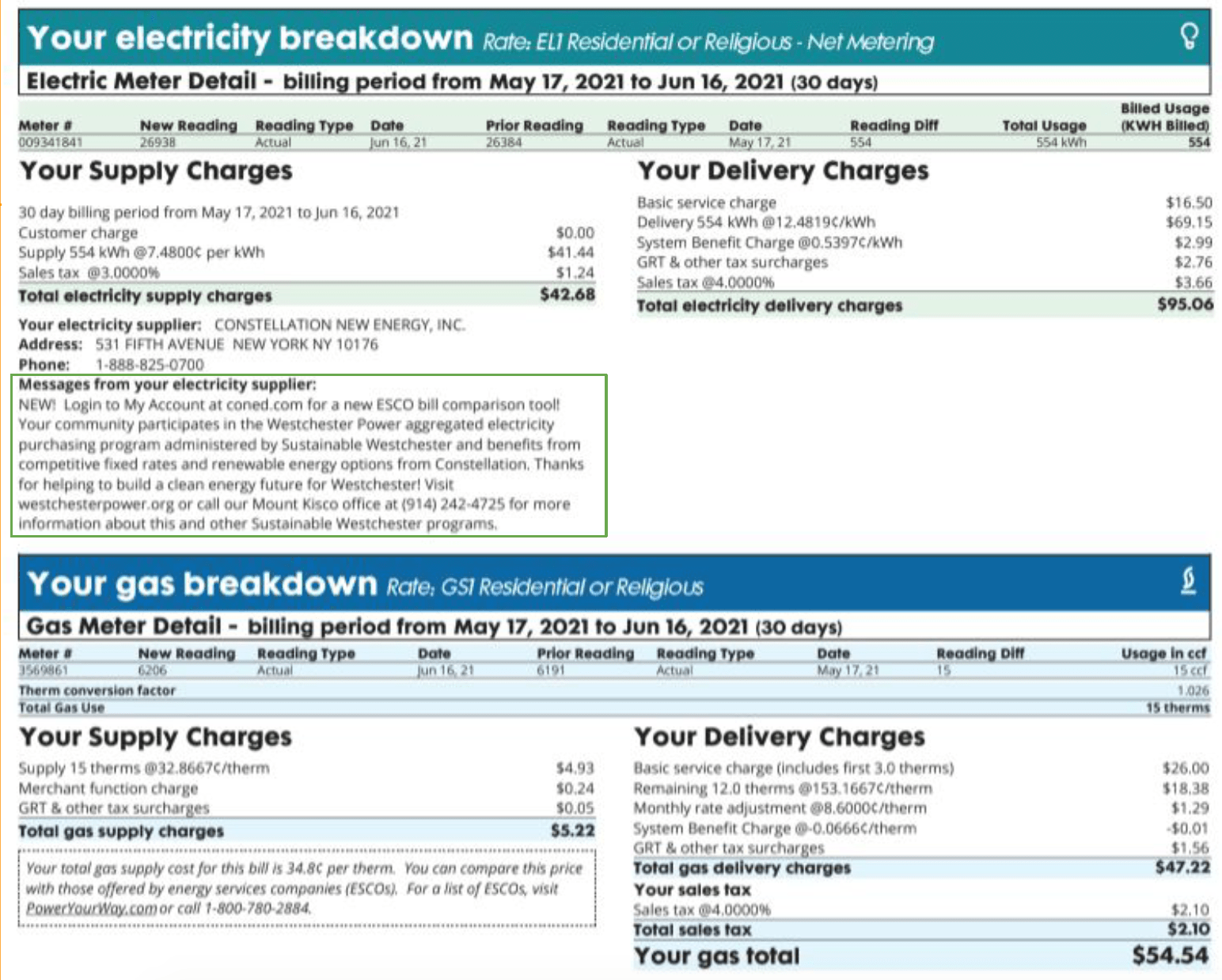
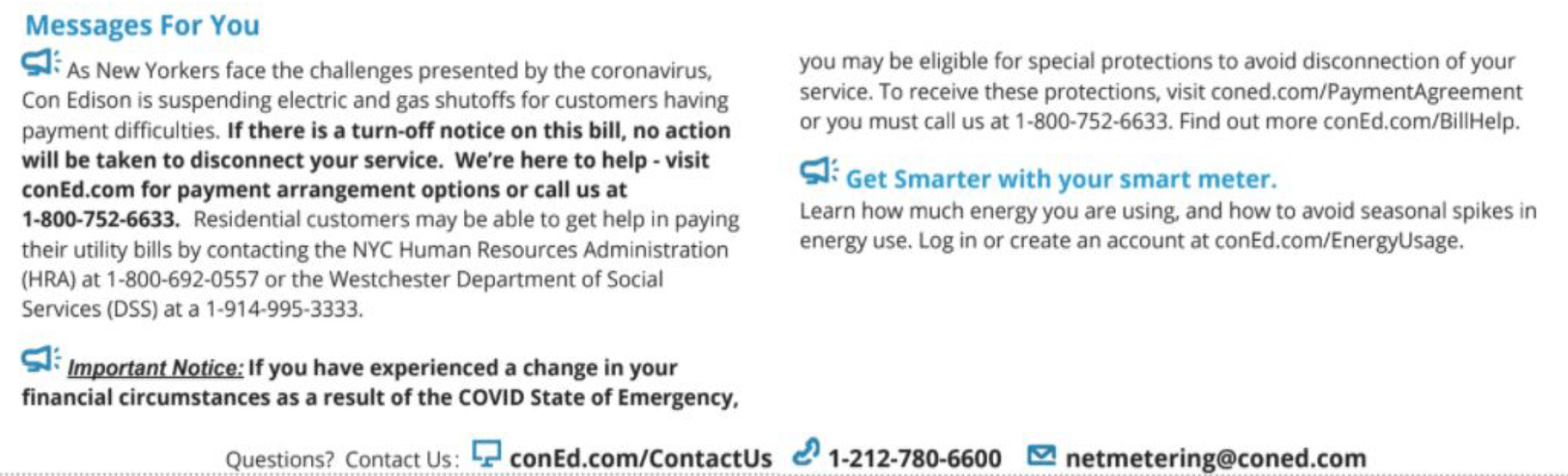
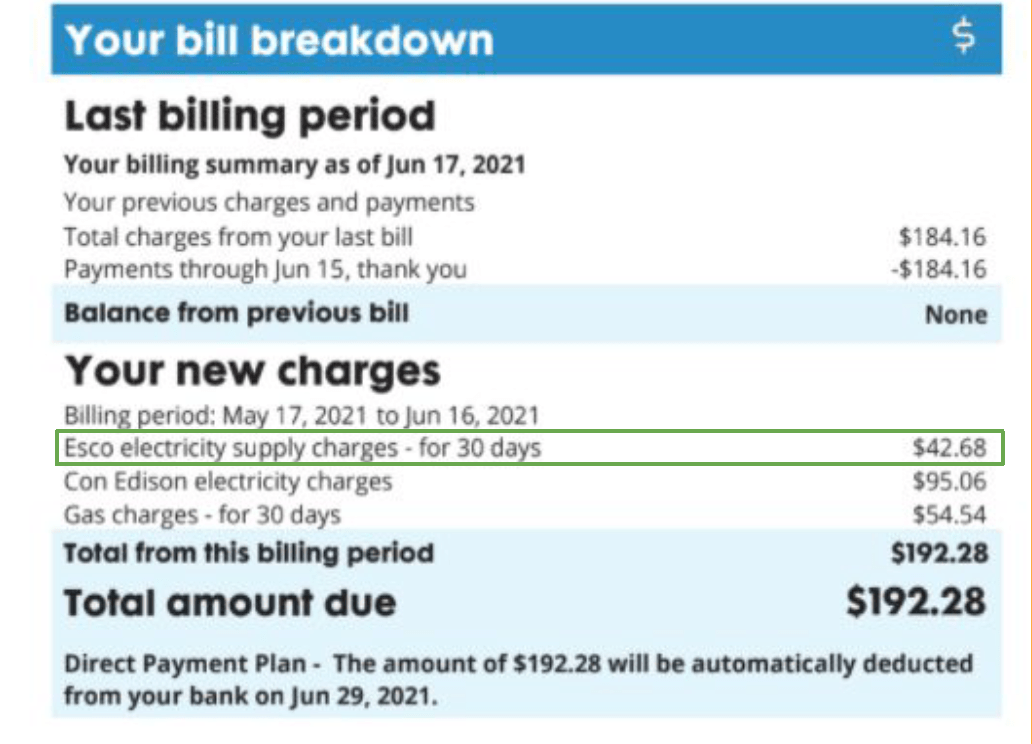
Keep the Warmth and Cut the WasteBy Barbara Lange, White Plains Sustainability Committee A draft around the front door. A chilly room that never seems to warm up. A utility bill that climbs even when our habits stay the same. For many White Plains residents, energy efficiency begins with these everyday frustrations. With winter approaching, Sustainable Westchester, as part of the Mid-Hudson Regional Clean Energy Hub, is helping residents understand their options and putting useful tools in their hands. On Thursday, October 22, at 6:30 p.m., the Home Energy Savings Workshop at the White Plains Public Library, 100 Martine Avenue, will offer practical ways to reduce energy waste and navigate available programs. The free event welcomes homeowners and renters and includes a do-it-yourself energy savings kit valued at $60. For Lauren Brois, Sustainable Westchester’s Director of Programs and a White Plains resident herself, the connection between saving energy and protecting the environment is straightforward. “I really honestly just dislike waste,” she says. “When it comes to energy waste, it’s unnecessary to spend so much money on something that’s just leaking away—literally sending dollars out the window.” Her work turns that conviction into practical help for residents who want to make changes but may not know where to begin. A local partnership with a practical purpose The workshop is part of the White Plains Energy Affordability Campaign, bringing together Sustainable Westchester, the City of White Plains, the White Plains Sustainability Committee, and the Mid-Hudson Regional Clean Energy Hub, with support from the New York State Energy Research Development Authority (NYSERDA). Sustainable Westchester is a nonprofit consortium of Westchester governments that delivers climate solutions to municipalities, businesses, organizations, and residents. Its programs connect people with information and assistance to make cleaner energy choices. “Through awareness we can effect change one step at a time and make White Plains a greener, more sustainable place to live,” says Mayor Justin Brasch. For residents, that starts with understanding which improvements and programs fit their circumstances. Take home more than information October’s workshop offers an accessible first step. “You’re not just coming to the library to listen to a presentation,” Brois says. “You will leave the event with a free energy kit worth about $60.” The free kit includes LED light bulbs, window insulation, weatherstripping, foam tape, a door sweep, outlet and switch gaskets, and a power strip. Participants will learn how to use these materials to address drafts and unnecessary energy use. The timing is deliberate. Even small weatherization improvements can help residents prepare before colder temperatures arrive. The session will also cover heat pumps, insulation, appliance electrification, and incentives, including programs offered by New York State and Con Edison. Residents will learn about assistance options such as HEAP and EmPower+, with guidance on eligibility and how to pursue support. Available help varies by household and project, so the workshop provides a place to start asking questions. Understanding your energy bill One concern Brois hears repeatedly is that bills have increased even though residents believe their electricity use has stayed the same. A workshop later in the year will explain how to read a utility bill and distinguish consumption from cost. Comparing kilowatt-hours across months and with the same period a year earlier helps residents understand what they are using. Keep in touch with the campaign to find out when this session is scheduled. A higher bill does not automatically mean a household is using more electricity. Understanding the numbers provides a better starting point for deciding what to change. That knowledge matters whether someone is considering a new heating system or simply trying to understand an unexpectedly expensive month. |